


Skip to content









































-
VRS

-
CaptionCall
-
Enterprise
-
Provider
-
Resources
-
Company
Sorenson Uses Cookies
Cookies are small text files websites send to your browser to remember information about your visit. They make our site work properly and help with security. When you allow cookies, you will have the best experience on our site — you can use tools such as chatbot for support and access other relevant products and services.
Best Hard of Hearing Phone Features 2026
June 9, 2026
 Finding the right phone can be challenging for those who are hard of hearing. Many phones lack the features needed for clear communication. Fortunately, there are phones designed with features specifically for hard of hearing users. This guide will explore the top phones features for hard of hearing users. We’ll highlight unique features, benefits, and considerations for choosing the right device. Whether you have hearing loss, or you care for someone who does, this article can help you find the best phone for your hearing loss needs.
Why phone calls are challenging with hearing loss
Even with hearing aids, many hard-of-hearing people still find phone calls particularly difficult to understand. Phone calls have several weaknesses that all contribute to this persistent challenge:- Lack of visual cues like body language or lip reading
- Compression and signal limits audio quality
- More impactful background noise interference
- Hearing aids may not fully resolve clarity on calls
Understanding hard of hearing phones
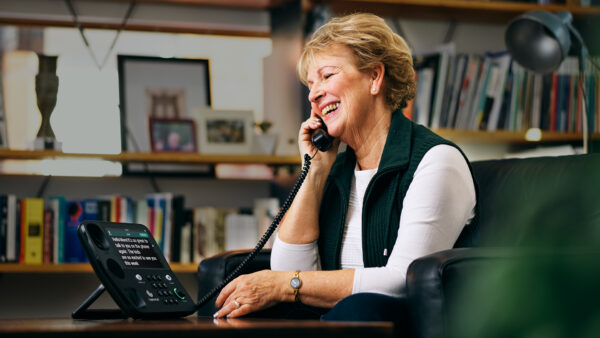
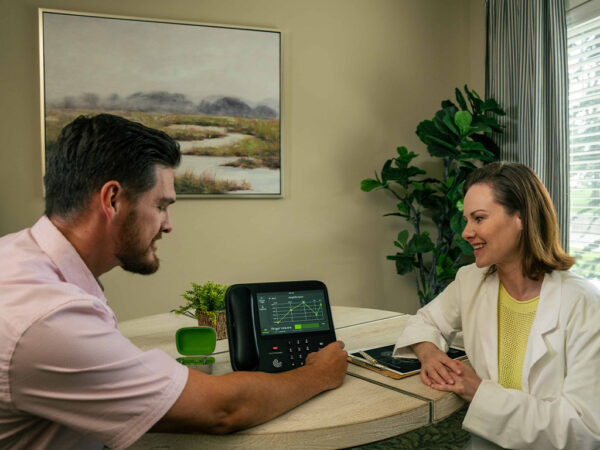
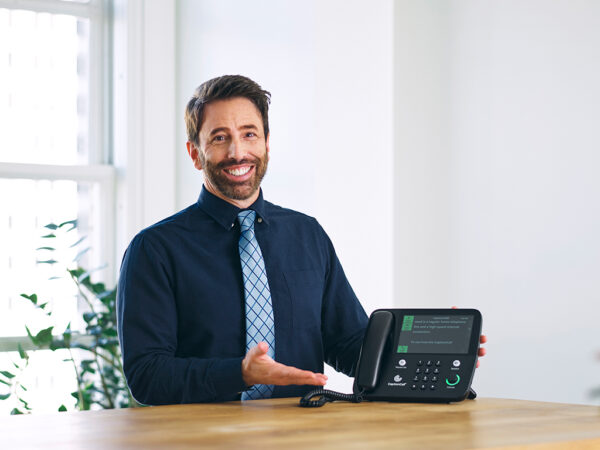
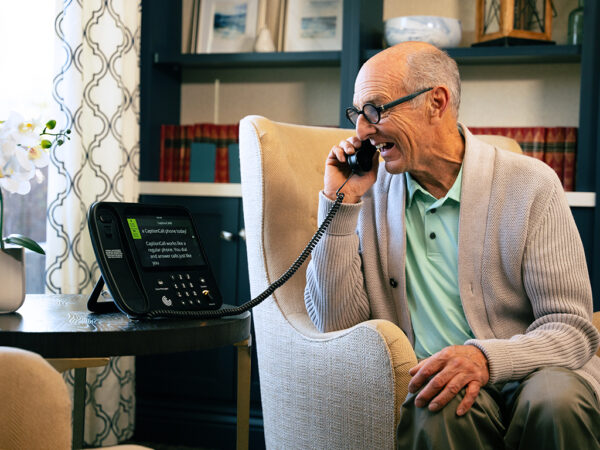
Phones for hard-of-hearing users enhance communication by addressing the challenges brought about by hearing loss. Amplified phones include options for increasing the volume of calls. This makes listening more manageable; however, amplification isn’t always the best solution for hearing loss. Hearing aid phones connect directly with hearing aids, typically through Bluetooth. This reduces errant noises your hearing aids may otherwise pick up for better sound clarity. Phones with captions show text of conversations as they’re happening on a large built-in screen. This adds a visual component to support users who have difficulty understanding spoken words on phone calls. Here are some essential features to look for:- Volume boost
- Sound personalization/equalizer
- Visual ringer
- Easy-to-read display screens
- Speed dial buttons or built in contacts lists
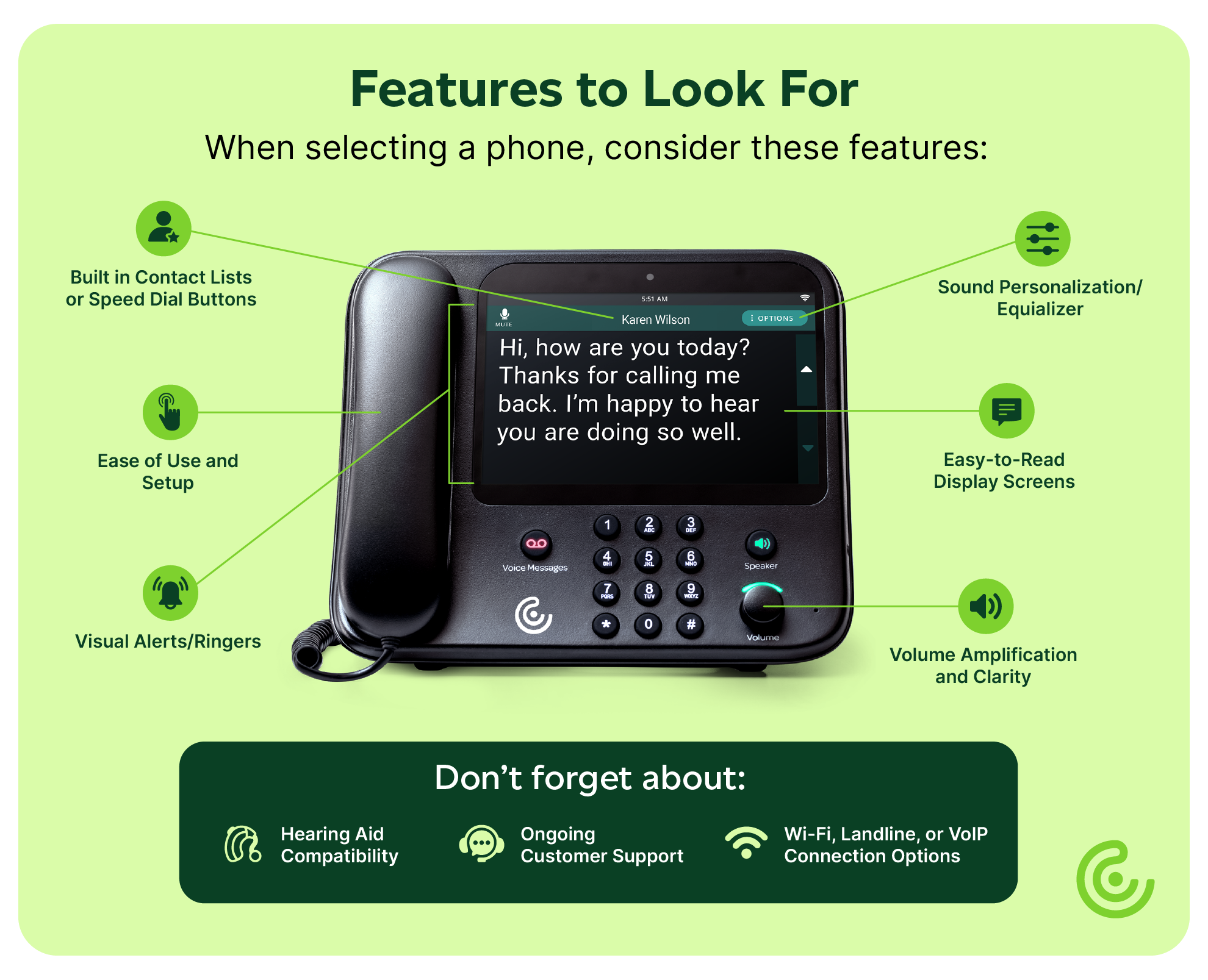 When choosing a hearing loss phone, consider which of these features will best fit your communication situation. Whether it’s amplification, customization, or visual cues, these phones cater to your individual needs.
Smartphone accessibility features and apps
For younger people with hearing loss or tech-savvy seniors, smartphone apps and features may be the best option. The biggest benefit is that you likely already own a smartphone, so it’s just a matter of finding the right features or apps. This means a convenient solution on a device you already use every day. Available built-in features vary by make and model phone, so you should check your phone’s user manual or search online for your specific phone. However, some common features include:- Bluetooth pairing with compatible hearing aids
- Visual alerts and ringers
- Real-time text (or RTT) allows you to type back and forth during calls
Video Relay Service (VRS)
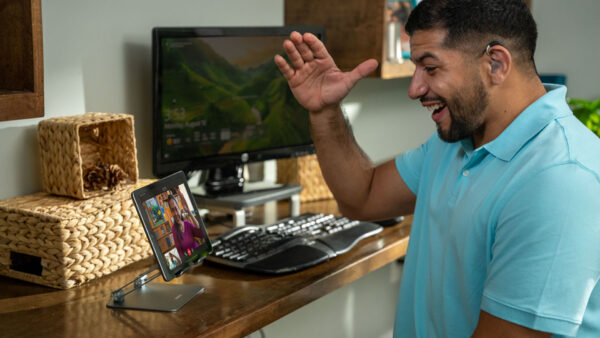
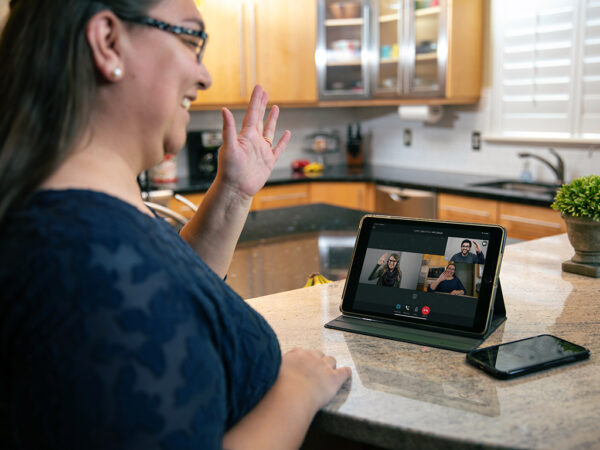
For people who use sign language to communicate, Video Relay Service may be the best phone option. This service works like a video call with a sign language interpreter. The interpreter helps ASL users and voice callers communicate.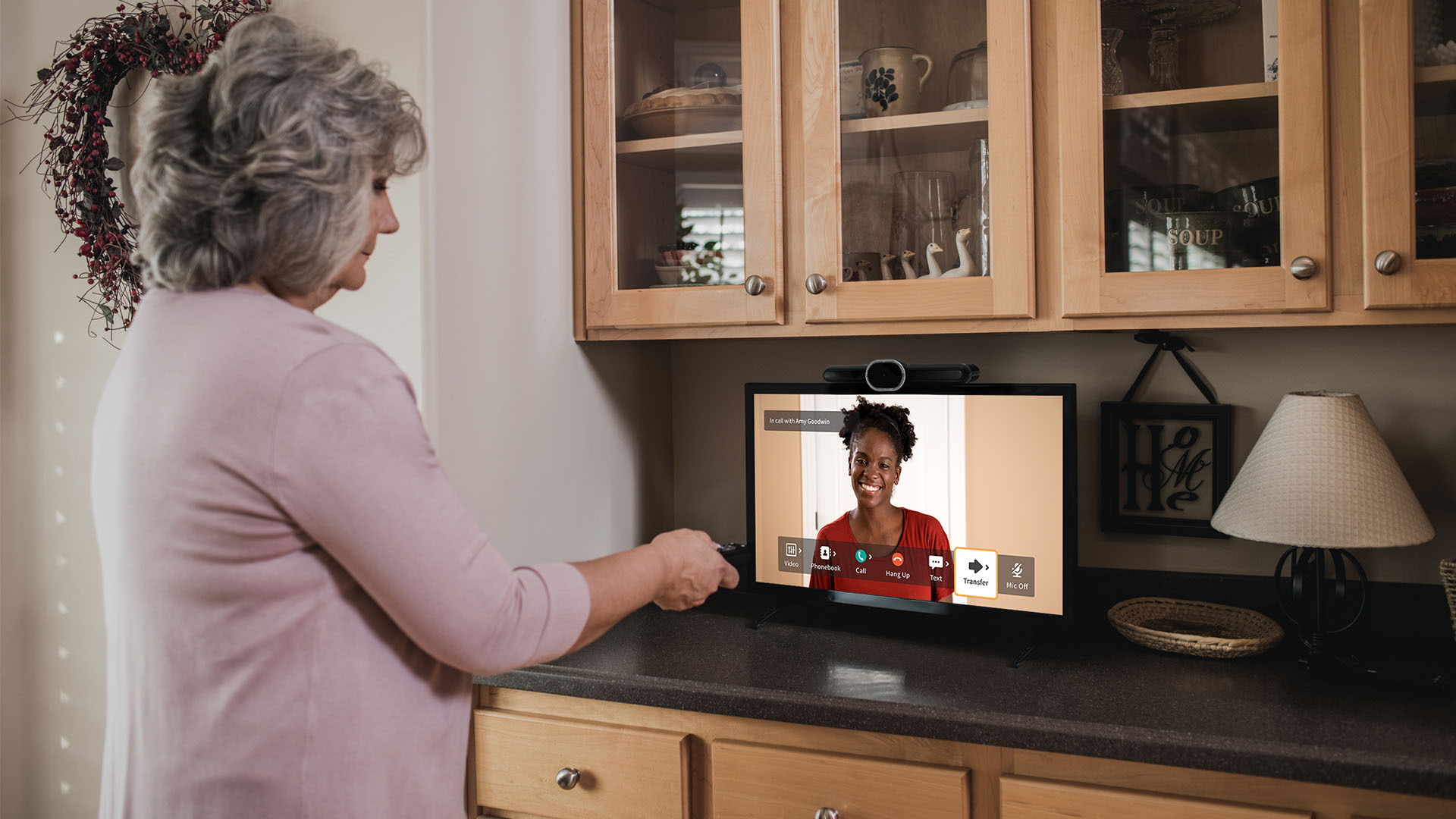 This option is best for Deaf individuals who communicate primarily using ASL. Learn more about Sorenson’s VRS service.
How to choose the right hard of hearing phone
Selecting the ideal phone for hard of hearing users starts with assessing individual hearing needs and daily communication styles. The first factor to think about is amplification needs. What decibel range do you begin to struggle with? Ask your audiologist whether your hearing loss centers around a specific sound frequency range. If you struggle with certain frequencies, choose a phone with audio settings that can adjust to them. It may fit you better than a phone that only boosts overall volume. Another important point to consider is compatibility with existing hearing aids. If you already use hearing aids, make sure to choose a phone that will work with them to provide the best audio quality. A final consideration is cost. If you have hearing loss that makes captions necessary to use the phone, you can get captioning service and a special captioning phone from CaptionCall at no cost.Comparing Phone Hearing Loss Solutions
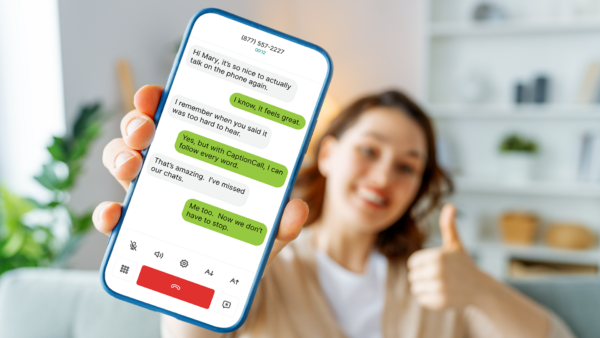
We all rely on more than just our ears when we’re listening, even if we don’t realize it. That’s phone calls can be such a persistent challenge with hearing loss. It’s also why many choose a hard-of-hearing phone option that include both audio and visual components.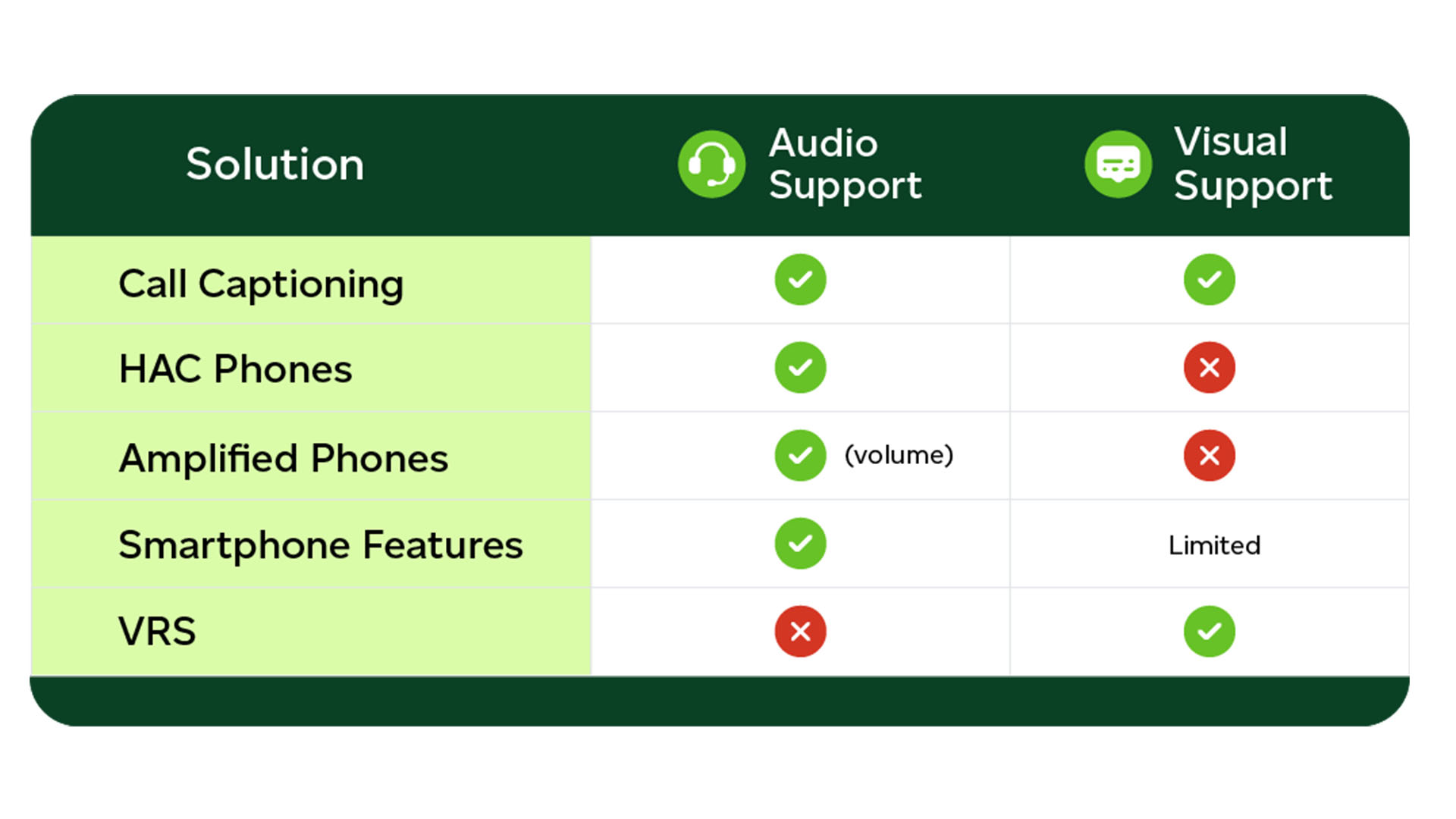 Call captioning combines audio and visual support, plus provides great flexibility as a mobile app. A good option for people who need both spoken audio and real-time captions during calls.
Tips for making phone calls easier
Whether you decide to get a specialized phone or not, there are a few quick steps you can take to make phone calls easier right now:- Make and take calls in a quiet area
- Avoid multitasking during calls
- Use active listening techniques to ensure you’re understanding correctly
- Ask callers to speak clearly, repeat words, or rephrase themselves when necessary
- Look into built-in accessibility settings on your existing phone
 Malala Alonso