






































-
VRS

-
CaptionCall
-
Enterprise
-
Provider
-
Resources
-
Company


Sorenson Uses Cookies
Cookies are small text files websites send to your browser to remember information about your visit. They make our site work properly and help with security. When you allow cookies, you will have the best experience on our site — you can use tools such as chatbot for support and access other relevant products and services.

How to Work with an ASL Interpreter: Etiquette Tips for Better Conversations
January 14, 2026

Working with an ASL interpreter helps ensure effective Deaf and hard-of-hearing communication in meetings, events, and everyday conversations. When everyone understands a few basic best practices, conversations become smoother, more natural, and more respectful for all involved.
This guide covers essential ASL interpreter etiquette and explains how to choose the right interpreting option — whether on-demand Video Remote Interpreting (VRI), scheduled VRI, or on-site interpreting.
ASL interpreter etiquette checklist (quick reference)
- Speak directly to the Deaf or hard-of-hearing person, not the interpreter
- Take turns and avoid speaking over others
- Pause to allow the interpreter to finish signing before responses
- Turn on your camera and ensure faces are visible
- Identify yourself when speaking in group settings
- Remember: interpreters must interpret everything, including side conversations
Choosing the right interpreting option
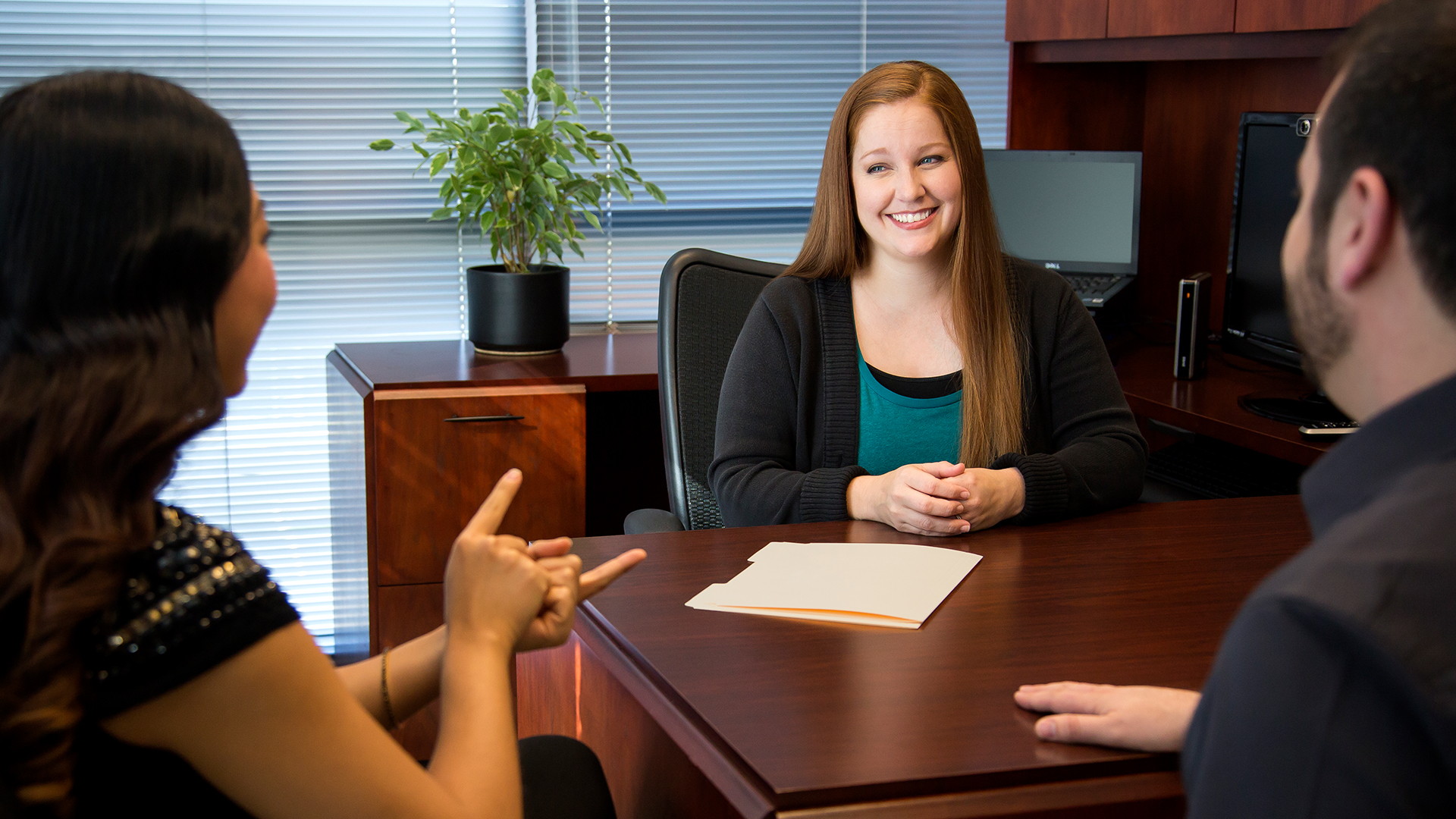
Different conversations call for different interpreting solutions. Choosing the right option helps balance accessibility, availability, and experience quality.
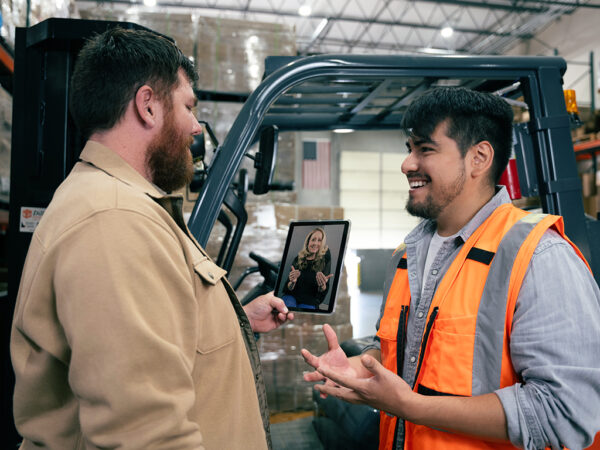
- On-demand ASL interpreting: Designed for short, spontaneous conversations that require immediate access, such as last-minute check-ins or unplanned interactions.
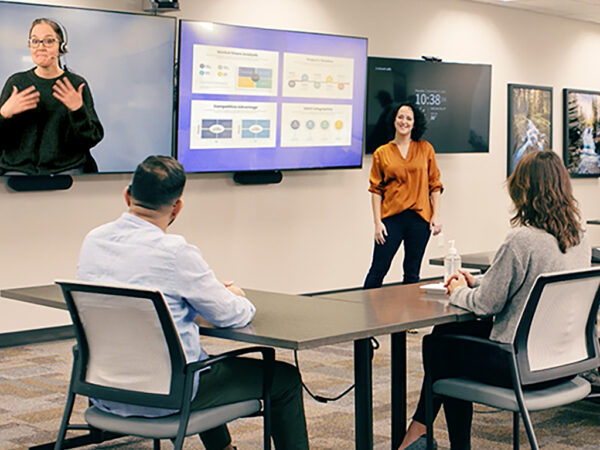
- Scheduled Video Remote Interpreting (VRI): Best for in-person, virtual, or hybrid meetings of any length where participants remain mostly stationary and have access to reliable internet, a camera, and a microphone. Scheduled VRI offers broader availability and preparation flexibility.
- On-site ASL interpreting: Ideal for in-person meetings or events lasting several hours or multiple days — especially when participants are moving around, the setting is outdoors, or internet access is unreliable. On-site interpreting can be particularly effective for high-stakes or relationship-driven conversations.
Before the conversation: how to prepare to work with an ASL interpreter
Preparation plays a key role in a successful interpreted conversation.
- Request interpreting services in advance: Whenever possible, schedule interpreting ahead of time — especially for longer or more complex meetings.
- Ask about interpreter preferences: If appropriate, ask Deaf participants whether they have preferences related to communication style or familiarity with certain terminology.
- Share context with the interpreter: Provide agendas, participant names, specialized terms, and relevant background information so interpreters can prepare.
- Test your technology: Confirm that your internet connection, camera, and microphone are working properly if using VRI. Ensure Deaf participants can clearly see the screen and interpreter, and hearing participants are close to the microphone or using a headset or Bluetooth device.
Preparation may differ depending on whether you are using scheduled interpreting or on-demand services.
ASL interpreter etiquette during the conversation

Following basic ASL interpreting etiquette helps conversations flow naturally.
- Speak directly to the Deaf or hard-of-hearing person
- Maintain eye contact with the person, not the interpreter
- Take turns and avoid overlapping speech
- Pause to allow the interpreter to finish signing before responses
- Identify yourself when speaking in group settings
- Use clear facial expressions and body language
If referencing slides, handouts, or visuals, pause so everyone — including the interpreter — can review them.
ASL interpreting etiquette for virtual and hybrid meetings
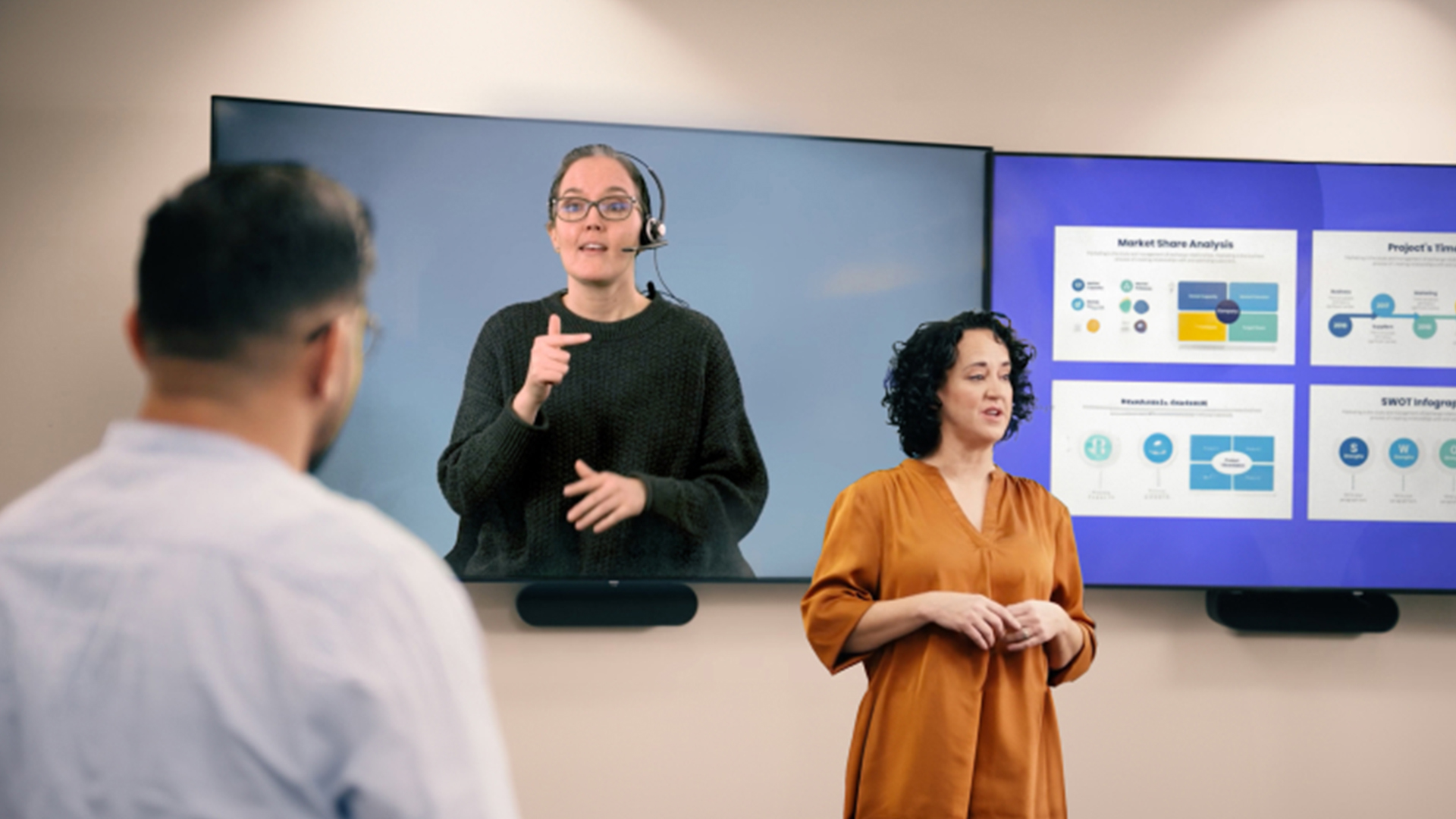
Virtual and hybrid environments introduce additional considerations.
- Keep cameras on so facial expressions are visible
- Pin or spotlight the interpreter’s video or allow pinning in the meeting settings
- Avoid repeatedly turning cameras on and off, which can cause video windows to shift
- Use the hand-raise feature to manage turn-taking
- If sharing your screen, confirm the interpreter can still see Deaf participants before continuing
Final thought
ASL interpreters are there to support communication — not to lead it. By following these etiquette best practices and selecting the right interpreting solution for each situation, you help create conversations where Deaf and hard-of-hearing participants can engage fully, confidently, and comfortably.
Frequently asked questions about ASL interpreter etiquette
- What is the proper etiquette when working with an ASL interpreter
Speak directly to the Deaf or hard-of-hearing person, take turns, avoid side conversations, and allow time for interpretation. Interpreters facilitate communication but do not participate in the conversation. - Should I talk to the interpreter or the Deaf person?
Always speak directly to the Deaf or hard-of-hearing person and maintain eye contact with them, not the interpreter. - How fast should I speak when using an ASL interpreter?
Speak at a natural pace and pause between thoughts to allow accurate interpretation and responses. - Do interpreters interpret side conversations?
Yes. Interpreters are professionally and ethically obligated to interpret everything they hear. - What should I do differently in virtual meetings with an ASL interpreter?
Keep your camera on, pin the interpreter’s video, identify yourself when speaking, and pause when sharing visuals. When should I use on-demand video remote interpreting (VRI), scheduled VRI, or on-site interpreting?
On-demand interpreting is best for short, spontaneous conversations. Scheduled VRI works well for most in-person, virtual, or hybrid meetings. On-site interpreting is ideal for long, in-person or high-movement situations.

