



























-
VRS

-
CaptionCall
-
Enterprise
-
Provider
-
Resources
-
Company


Sorenson Uses Cookies
Cookies are small text files websites send to your browser to remember information about your visit. They make our site work properly and help with security. When you allow cookies, you will have the best experience on our site — you can use tools such as chatbot for support and access other relevant products and services.

Driving Communication Innovation at the NYC Tenement Museum
March 3, 2025
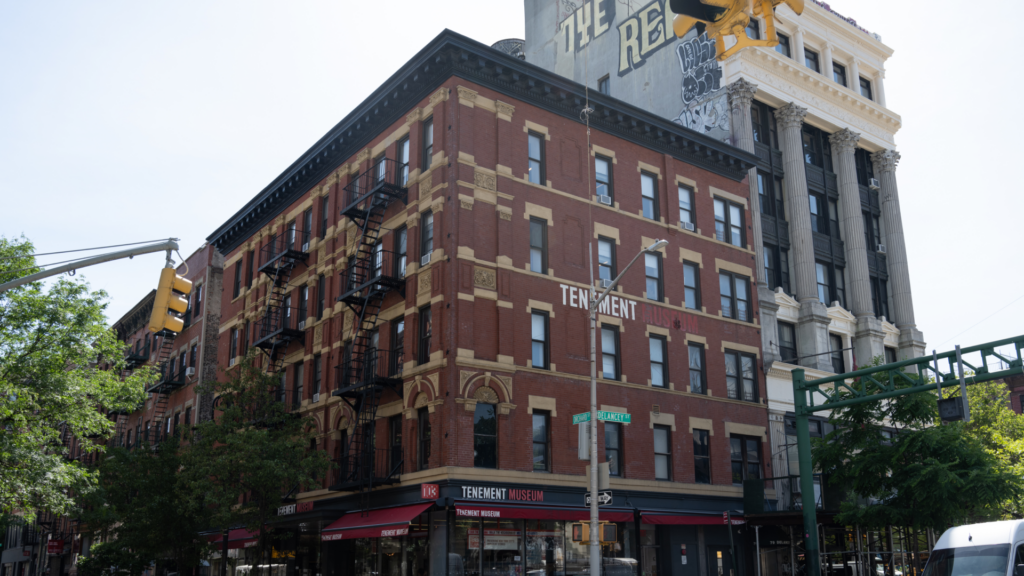
In New York City’s Lower East Side, a historic institution is redefining how it connects with visitors from every background. The NYC Tenement Museum, known for its historic depictions of immigrant life, uses language accessibility to ensure every visitor can fully experience its tours and exhibits.
How is it doing this? Through Sorenson Forum, an AI-powered language platform that delivers real-time translation and captioning. The museum uses these tools to expand access, foster engagement and set new standards for inclusivity in cultural spaces. With multilingual tours, captions and a commitment to accessibility, the Tenement Museum is building a more connected, inclusive world.
A museum with a unique perspective
The Tenement Museum offers an intimate window into the lives of immigrants, migrants, and refugees who shaped New York City. Its guided tours bring to life the stories of working-class residents who lived between the 1860s and 1980s, inside restored tenement apartments and throughout the Lower East Side neighborhood where they built new beginnings.
Founded in 1988 by historian Ruth Abram and social activist Anita Jacobson, the museum began with a remarkable discovery: an abandoned tenement at 97 Orchard St., untouched for more than 50 years. Inside were the belongings of families who once lived there — hairpins, toys, business cards and more — each telling a personal story of resilience and hope.
While textbooks often overlook the lives of ordinary people, the Tenement Museum celebrates them. Its commitment to inclusion ensures that everyone, regardless of language, can connect with these stories. From multilingual staff to translated materials, every effort reflects its mission to honor diverse cultural identities and make visitors feel welcome.
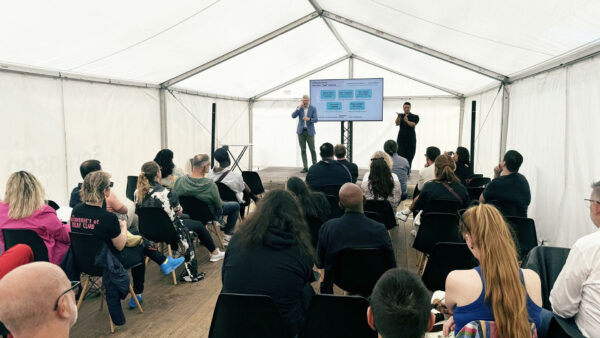
To further this mission, the museum adopted Sorenson Forum, an AI-powered accessibility tool that provides real-time captions in 25 languages and 43 dialects. The museum’s Visitor Services Manager, shared why the museum wanted to use the technology:
“We wanted to provide translation services for our non-English-speaking visitors who otherwise can’t understand the content and history of the museum. We have some of our primary sources translated in other languages, but the tours are led in English, so the challenge was getting a translation for the entire program.”
By offering instant captions and translations, the museum helps visitors of all language backgrounds engage more deeply with its exhibits and guided tours. This inclusive approach extends to educational programs that explore how immigrants shaped the city’s identity, leaving guests inspired and informed.
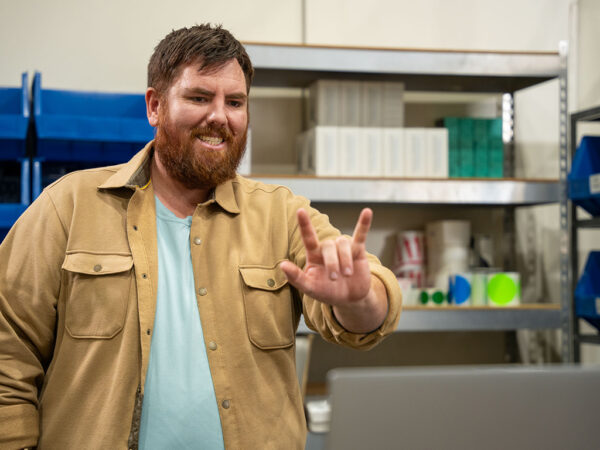
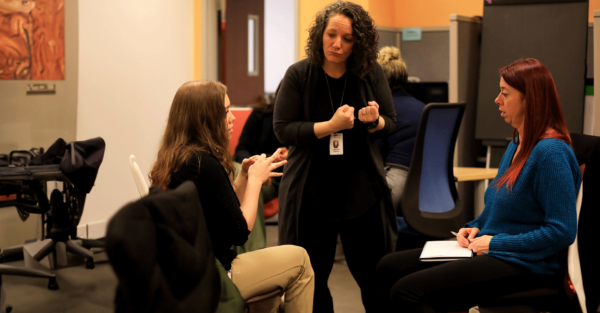
The partnership’s success has even inspired the museum to explore Sorenson’s on-demand ASL interpreting service, expanding accessibility for Deaf and hard-of-hearing visitors. Together, these services help the museum reach a broader, global audience and ensure no story is left unheard.
The future of language access
The Tenement Museum shows how technology can transform cultural institutions. With real-time language services, it creates immersive experiences that explore identity, policy and community through the eyes of the people who lived them.
By continually expanding its language offerings and embracing innovation, the museum sets an example for others to follow — proving that technology can connect people and open doors to understanding.
Discover what’s possible
Want to make your institution more inclusive?
Connect with our team for a personalized accessibility consultation. Discover how advanced language solutions like Sorenson Forum can help you break down barriers and create a more connected future.

 Malala Alonso